Bunny Smile Font for Web Design
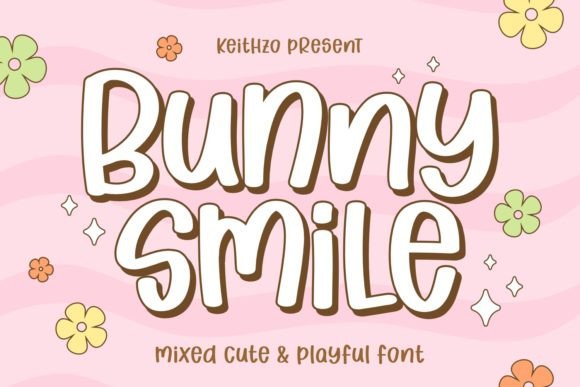
Testing Bunny Smile in a hero section of a boutique online store, I was immediately drawn to its whimsical charm. The font’s playful details and sweet letterforms made it stand out against a soft pastel background. It felt like the perfect match for a brand that wanted to exude approachability and warmth without sacrificing visual interest.
Bunny Smile for Creative Portfolio Websites
Bunny Smile is a display font that brings a unique personality to creative portfolio sites. When used as a headline over a large image banner, it adds an extra layer of character that complements the visual storytelling. Its endearing style works well with modern UI designs that aim to feel more human and less corporate. For a designer or artist looking to showcase their work, Bunny Smile can help create a memorable first impression.
- Best for headings, logos, and decorative accents
- Works well with minimalist layouts
- Can be paired with a clean sans serif for balance
Bunny Smile for Online Store Banners
In an e-commerce setting, Bunny Smile shines when used for product banners or promotional headlines. Its sweet aesthetic aligns perfectly with brands targeting a younger, more playful audience. When placed over a bright background or a lifestyle image, it adds a sense of fun and energy that can catch a user’s eye quickly.
However, readability becomes a key concern when using Bunny Smile on small buttons or in tight spacing. Testing it on mobile screens showed that it can become slightly harder to read at smaller sizes, so it’s best reserved for larger text areas where it can truly shine.
Bunny Smile for Coaching and Course Sales Pages
For a coaching website or course sales page, Bunny Smile can be used strategically to highlight key benefits or value propositions. A heading like “Transform Your Life” in Bunny Smile feels more inviting than a standard sans serif. It helps convey a sense of care and personal connection, which is important for building trust with potential clients.
When paired with a simple body font like Open Sans or Lato, Bunny Smile doesn’t overpower the design. This combination allows the font to serve as a focal point without disrupting the overall flow of information. It’s especially effective in sections that emphasize emotional appeal, such as testimonials or success stories.
Bunny Smile for Blog Headers and Social Media Graphics
Using Bunny Smile for blog headers or social media graphics can give content a more engaging and visually appealing look. Its playful nature makes it ideal for topics related to wellness, parenting, or lifestyle. However, it’s important to use it sparingly—too much of it can make a design feel cluttered or unprofessional.
On platforms like Instagram or Pinterest, where visual appeal is crucial, Bunny Smile can be a great tool for creating eye-catching post titles or captions. Just be mindful of how it looks on different screen sizes and backgrounds to ensure it remains legible and consistent across devices.
Bunny Smile for Brand Identity and Digital Assets
When building a digital brand kit, Bunny Smile can be a valuable addition to a font family. It works well as a logo font or for short phrases that need a distinctive look. Its charm makes it a good choice for brands that want to feel more personable and relatable.
Before integrating Bunny Smile into a brand’s visual identity, it’s worth checking the available styles, weights, and multilingual support. Some fonts may not include all necessary characters or may have limited webfont availability, which could affect how they render on different platforms.
Bunny Smile for Responsive Web Design
Testing Bunny Smile in a responsive layout revealed some considerations for mobile users. While it looks great on desktop, scaling it down for smaller screens requires careful attention to spacing and line height. Ensuring that it remains readable at various sizes is essential for maintaining a smooth user experience.
When used on dark backgrounds or image overlays, Bunny Smile can still hold its own, but it’s important to test it against different color combinations to avoid contrast issues. A light version of the font might work better in these scenarios to maintain clarity and visual harmony.
Bunny Smile for Web Typography and Visual Hierarchy
Bunny Smile has a strong visual presence that makes it ideal for creating clear visual hierarchy. As a display font, it’s best suited for headings, subheadings, and other prominent elements that need to draw attention. Using it for body text would likely reduce readability and make the design feel less professional.
For a more balanced approach, consider using Bunny Smile for title sections and pairing it with a simpler font for the rest of the content. This creates a dynamic yet cohesive look that supports both aesthetics and usability.