Daisy Flowers Font
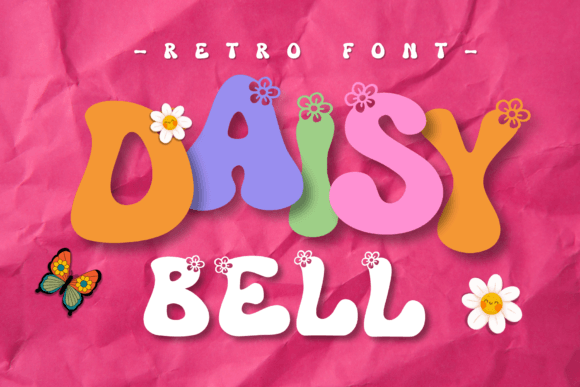
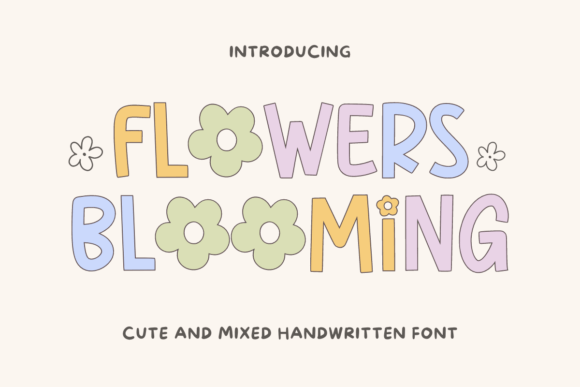
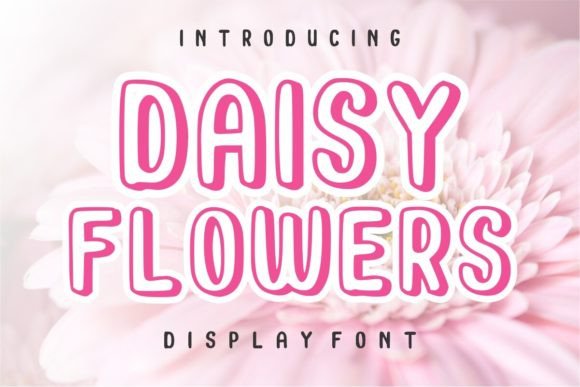
Choosing the right font for a project is like selecting the perfect accessory to complete an outfit. It’s subtle, yet essential. When I began redesigning my lifestyle blog header, I knew I needed something that felt warm, approachable, and just a little whimsical. Daisy Flowers fit the bill perfectly. This display font has a soft, handwritten charm that adds personality without overwhelming the reader.
As a designer who often works with printable guides and digital magazines, I’ve found that fonts can make or break the visual identity of a publication. Daisy Flowers brings a sense of playfulness and elegance, making it ideal for content that aims to inspire rather than inform. Its gentle curves and irregular shapes give it a handcrafted feel, which feels especially relevant in today’s design landscape where authenticity is highly valued.
Daisy Flowers for Wedding Invitations and Elegant Branding
Wedding invitations are more than just pieces of paper—they’re the first glimpse into a couple’s style and taste. When I was helping a friend design her wedding stationery, Daisy Flowers became the centerpiece of the typography. The font’s sweet, unique character paired beautifully with a minimalist layout, creating a look that felt both modern and personal.
For branding projects, Daisy Flowers works well as a logo font or a headline typeface. Its playful nature doesn’t detract from professionalism; instead, it adds a touch of warmth that makes a brand feel more human. Whether used on a wedding website, a boutique logo, or a social media graphic, this font has the versatility to adapt to different scales and contexts.
Daisy Flowers for Recipe Ebooks and Digital Magazines
When I started working on a recipe ebook, I wanted the title to feel inviting and easygoing. Daisy Flowers provided the perfect balance between readability and visual interest. It worked especially well for chapter headings, where its distinct shape caught the eye without distracting from the content.
In digital magazines, fonts play a crucial role in guiding the reader through the content. Daisy Flowers is best suited for short, impactful text—like pull quotes, captions, or section headers. Its character set includes alternates and ligatures that add a layer of sophistication, making it ideal for editorial layouts that demand both beauty and clarity.
Pairing Daisy Flowers with Readable Fonts
While Daisy Flowers shines as a display font, it’s important to pair it with a complementary typeface for longer reading. A clean sans serif like Lato or a classic serif like Georgia can provide contrast and ensure that the overall design remains legible across different platforms.
For print materials, such as a printable planner or a coaching workbook, Daisy Flowers can be used for decorative accents or section titles. Its soft aesthetic helps create a calm, inviting mood that aligns with the purpose of these types of publications.
Daisy Flowers for Tote Bags, Stickers, and Social Media Graphics
One of the most appealing aspects of Daisy Flowers is its adaptability. I’ve used it on tote bags for a local boutique, where its cursive style added a handmade quality that customers loved. It also works well for stickers, where its unique form stands out on a page or a product.
Social media graphics benefit from Daisy Flowers’ visual appeal. Whether it’s a quote card for Instagram or a promotional banner for a newsletter, the font adds a personal touch that resonates with audiences looking for authenticity in digital content.
Daisy Flowers for Newsletter Headers and Printable Guides
Newsletters are a powerful tool for engaging readers, and the right font can make a big difference. Daisy Flowers is excellent for headers, where its delicate strokes draw attention without being too bold. It pairs well with a simple, neutral background, allowing the text to stand out naturally.
Printable guides, such as workout plans or productivity templates, often require a mix of readability and visual appeal. Daisy Flowers can be used for section titles or decorative elements, adding a touch of personality without compromising usability.
Daisy Flowers for Logo Design and Packaging
Logos and packaging designs rely heavily on typography to convey a brand’s identity. Daisy Flowers offers a fresh, creative alternative to more traditional fonts. Its uniqueness makes it ideal for brands that want to stand out while maintaining a sense of approachability.
When designing a logo, it’s important to consider how the font will appear in different sizes and formats. Daisy Flowers holds up well in both large and small applications, making it a versatile choice for logos, labels, and product packaging.
Daisy Flowers for Creative Projects and Editorial Layouts
From book covers to magazine spreads, Daisy Flowers brings a sense of charm and character to any editorial layout. Its use in pull quotes or chapter openers can add visual rhythm and keep the reader engaged. It’s especially effective when used sparingly, allowing the rest of the design to breathe.
For creative projects like course PDFs or downloadable worksheets, Daisy Flowers can enhance the user experience by making the content feel more personal and thoughtfully designed. It’s a great choice for anyone looking to elevate their digital products with a touch of individuality.
Ultimately, Daisy Flowers is more than just a font—it’s a design tool that can bring a unique voice to any project. Whether you’re working on a wedding invitation, a recipe ebook, or a social media graphic, this display font offers a blend of sweetness, creativity, and versatility that few others can match.